





There will be different types of ministries, such as worship, education, outreach, and administration. Offers a detailed overview of all financial aspects of the church, suitable for larger congregations or those with complex financial needs. This guide will walk you through the essential guidelines involved in creating a budget that reflects your church values and makes your church viable for many more years to come. Fortunately, churches can easily fix this problem now by adopting an accountable reimbursement arrangement. That an expense and corresponding reimbursement are legitimate church accounting is not enough for the IRS.
Are churches required to follow the accounting guidelines from the IRS?
- This overview will analyze your role in church building projects, capital campaigns for facility construction, loans for building projects, and annual financial reporting to the congregation.
- Ensure all your funds are allocated to proper budgets and purposes (e.g., Children’s Ministry, Missions, Building funds).
- Every financial decision your church makes has to be put through the matrix of your church’s mission and vision.
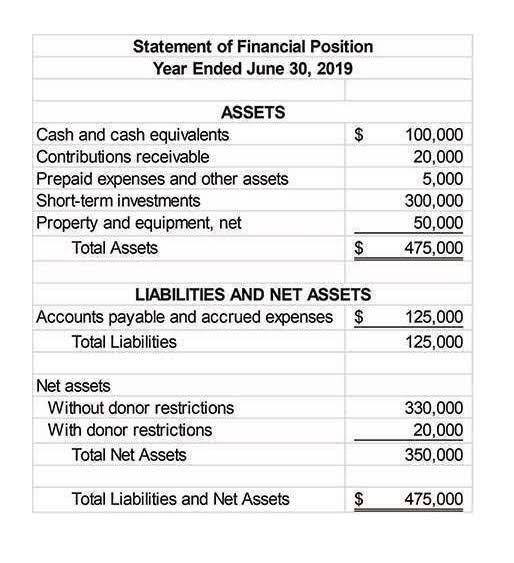
- The Statement of Financial Position is a vital financial report for nonprofit organizations that offers a comprehensive view of their financial health at a specific point in time.
- Each account is assigned a unique code for easy reference, providing clarity and structure to your financial reporting.
On the other hand, for-profits sell services or products to maximize profits for the owners. Since they have different goals, they have different bookkeeping Restaurant Cash Flow Management practices. The bookkeeping method that works for one won’t work for the other.

Aligning with GAAP and IRS Regulations
You can say goodbye to the stress of keeping track of scattered tithing envelopes and being able to streamline the financial processes with accurate financial reporting. This will give you more time to focus on what truly matters- serving your congregation and community. The Statement of Functional Expenses is an essential financial report for nonprofit accounting. This statement offers a detailed breakdown of an organization’s expenses by function and nature during a specific accounting period, usually a fiscal year. By segregating financial resources into separate accounts, or “funds,” this system enables organizations to closely monitor and report on the performance of each fund. As a result, fund accounting plays a crucial role in maintaining the trust of donors, stakeholders, and regulatory bodies by providing a clear and accurate picture of an organization’s financial health.
Put Your Church’s Mission and Vision First
Maybe that will never be an issue, but if it is, properly documented records will save you and your church a lot of headaches. There are 3 essential types of software that every church should integrate into its church accounting toolbox. Liabilities are the obligations or debts that the organization owes to others, such as accounts payable, loans, and deferred revenue. Similar to assets, liabilities are listed in the order they are expected to be settled, with current liabilities appearing first. By establishing a well-defined chart of accounts, creating a realistic budget and implementing internal controls, you’re laying the groundwork for strong financial stewardship in your church. And a well-defined chart of accounts keeps your finances organized, making it easier to record transactions, generate reports and identify trends.

Annual Church Budget Template
Unlike for-profit businesses, churches don’t exist to make a profit. They exist to support a mission and programs for the community, so their accounting is a little different. Understanding church accounting is crucial as it helps you navigate the unique financial landscape of churches. To establish and maintain an effective accounting system, it’s essential to comprehend the intricacies of church operations and have a basic understanding of accounting principles. Adhering to GAAP and IRS regulations is a must for accountants and bookkeepers to ensure compliance and accurately portray the church’s financial status.
Additional Standout Services (25% of total score)
- These requirements determine how church finances are allocated into specific “funds” within their financial systems.
- It sounds obvious, but unless you make financial decisions based on the budget that has been set, creating a budget will have little benefit.
- Ensure that the way you and your leadership talk about tithes and offerings (in the short offering messages you give from the front) address giving as a gift, as a privilege – not an obligation.
- Then, check to ensure your software offers a plan that is both within your budget and enables you to perform essential actions.
- This allows churches to see how their funding is used to further their mission.
- Let’s use an example of processing a refund to see how easy it is to get a transaction wrong.
Our exclusive focus on churches and religious nonprofits means we understand these unique challenges and how to address them effectively. Check with your leaders and denomination for more insight on how to report your finances. Financial reporting and compliance are crucial for your church to uphold transparency, accountability, and trust within the community.
Setting Realistic Financial Goals
Implementing best practices in church accounting ensures faithful stewardship of the resources entrusted to you, promoting trust and accountability within your congregation. Maintain detailed and accurate records of all financial transactions and cash flow, including donations, expenses, payroll, and grants. Proper documentation of any financial data helps you stay prepared for audits and will help you provide evidence of compliance with regulatory and tax guidelines. Beyond these tasks, accounting software is essential for ensuring effective management of your church records, as well as clear and honest financial practices.
- Perhaps the biggest need for church accounting rather than bookkeeping, is when an audit or review is required.
- Financial transparency and compliance are how your church can demonstrate responsible stewardship of the resources God has given you.
- Organizations must also align with Internal Revenue Service (IRS) regulations which mandate that churches file Form 990 (Return of Organization Exempt from Income Tax).
- To get started with church accounting, you’ll need to understand a few notable financial resources and reports.
- Implementing internal controls can prevent fraud and boost accountability.
- Each statement organizes and summarizes your church’s data in a different way to provide insights into its financial situation.
- Some churches use accrual accounting, which is recording income and expenses when they are earned.
Unlike horseshoes where close will gain you points, accounting transactions have no such leeway, it’s either right or wrong. Utilizing bookkeeping software is the easiest way to track church donations. Even if your church is small, there are several free software options that will track all means of income and make tax time a breeze.

Many report annually, but bi-annual and quarterly reports are also recommended. If members receive CARES Act reports they don’t understand, it could breed distrust. You can make reports clearer by inserting notes that explain complex sections.