14.3 C
Byblos
Monday, December 29, 2025
بلوق الصفحة 243

خاص-بالصور: حفل عشاء تكريمي لرؤساء البلديات بدعوة من موقع “قضاء جبيل” في فندق مكسيموس

أقام موقع “قضاء جبيل” حفل عشاء تكريمي على شرف عدد من رؤساء البلديات والأصدقاء في مطعم “العرّاب” في فندق مكسيموس – بلاط.

وألقى الزميل عبدو متى كلمة باسم صاحب الموقع الإعلامي جورج سعادة، رحّب فيها بالحاضرين، مشيداً بالجهود التي يبذلها رؤساء البلديات في المجالين الإنمائي والاجتماعي.

كما تمنى لجميع المرشحين النجاح في مهامهم المقبلة لما فيه خير وتطور بلداتهم.

وأثنى الحاضرون على مبادرة موقع “قضاء جبيل”، معتبرين أن الدور الذي يقوم به في نقل نشاطات البلديات يعكس روح المسؤولية الإعلامية والمهنية.

وأشادوا بمصداقيته ونزاهته وموضوعيته في نقل الأخبار والتقارير التي تعكس الواقع البلدي بوضوح وشفافية، مما جعله مرجعًا موثوقًا للأهالي والمسؤولين على حد سواء.

وأكدوا أن التزام الموقع بالمهنية والحياد أسهم في تعزيز الثقة بين المواطنين والقيادات المحلية، حيث يساهم في تسليط الضوء على الإنجازات والتحديات التي تواجهها البلديات بأسلوب موضوعي وبعيد عن التحيز.

كما شددوا على أهمية الإعلام في دعم المشاريع التنموية ، حيث يلعب الإعلام دورًا أساسيًا في إبراز المبادرات الناجحة وتحفيز الجهود المستمرة لتحقيق التنمية المستدامة.

وأشار الحاضرون إلى أن الإعلام المسؤول يساهم في بناء جسر من الثقة بين المواطن والمسؤول، مما يساعد في خلق بيئة تشاركية تُسهم في إيجاد حلول فاعلة للقضايا المحلية.

كما عبّر الحاضرون عن فخرهم بوجود فندق بمستوى “مكسيموس” في القضاء ، مؤكدين أنه مصنف عالمياً ضمن الفنادق الفاخرة، حيث حصل على جائزة “Traveller Review Awards 2025” من منصة Booking.com، محققاً تقييماً مميزاً بلغ 9.3 / 10، وذلك استنادًا إلى تقييمات النزلاء وتجاربهم الفريدة خلال إقامتهم في الفندق.

وأشادوا بالخدمات التي يوفرها, وتمنوا لصاحبه رجل الأعمال جو أبي غصن النجاح الدائم في مشاريعه السياحية التي تسهم في تعزيز القطاع السياحي ودعم الاقتصاد المحلي.

فيديو للغارتين على الهرمل

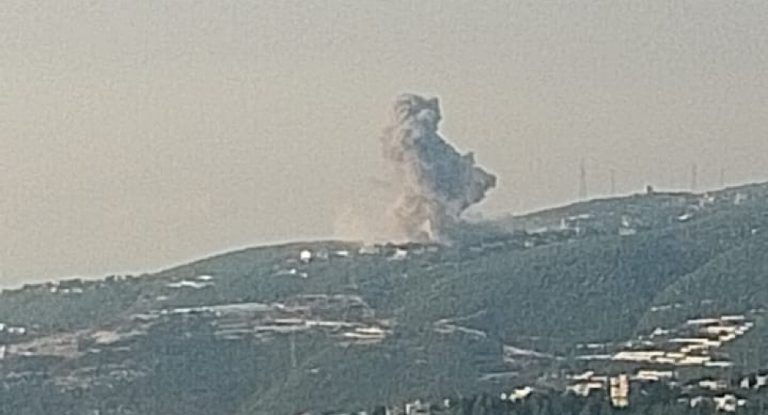
لقطات توثّق ما خلّفته الغارتين الإسرائيليّتن على منطقة حوش السيد علي في الهرمل من دمار، وقد أعلن مركز عمليات طوارئ الصحة العامة التابع لوزارة الصحة العامة أن الغارتين أدتا في حصيلة أولية إلى سقوط شهيد وإصابة شخص بجروح.

The Future of Green Energy

0

The Future of Green Energy: Challenges and Prospects

Green energy, also known as renewable energy, has emerged as a critical solution to global energy challenges. With the world facing climate change, resource depletion, and environmental degradation, the transition from fossil fuels to sustainable energy sources is more urgent than ever. The development of green energy is not only crucial for reducing greenhouse gas emissions but also for ensuring energy security and economic sustainability. This article explores the current state of green energy, its benefits, challenges, and future prospects.

The Current State of Green Energy

Green energy encompasses various sources, including solar, wind, hydro, geothermal, and biomass. In recent years, significant advancements in technology and policy support have led to a rapid increase in renewable energy adoption worldwide. According to the International Energy Agency (IEA), renewable energy accounted for nearly 30% of global electricity generation in 2022, with wind and solar power experiencing the fastest growth.

Solar Energy

Solar power has become one of the most promising renewable energy sources. Advances in photovoltaic (PV) technology have drastically reduced costs, making solar panels more accessible to households and industries. The efficiency of solar panels has also improved, with some modern models converting over 22% of sunlight into electricity. Countries like China, the United States, and India are leading in solar energy deployment.

Wind Energy

Wind power has also seen exponential growth, particularly in regions with strong and consistent winds. Offshore wind farms have gained popularity due to their ability to generate higher amounts of electricity compared to onshore farms. Denmark and the United Kingdom are among the pioneers in offshore wind energy development.

Hydropower

Hydropower remains the largest source of renewable electricity, contributing over 50% of the global renewable energy supply. Large-scale hydroelectric dams, such as the Three Gorges Dam in China, play a crucial role in meeting energy demands. However, environmental concerns related to habitat disruption and water resource management pose challenges to its expansion.

Geothermal and Biomass Energy

Geothermal energy, which utilizes heat from the Earth’s core, is a stable and reliable source of power, particularly in geologically active regions like Iceland and Indonesia. Biomass energy, derived from organic materials, offers a versatile alternative to fossil fuels, especially in heating and transportation.

Benefits of Green Energy

  1. Environmental Protection – Green energy significantly reduces carbon emissions, mitigating the effects of climate change.

  2. Energy Independence – Countries can reduce their dependence on imported fossil fuels by utilizing locally available renewable resources.

  3. Economic Growth and Job Creation – The renewable energy sector has become a major driver of employment, with millions of jobs created globally in solar, wind, and bioenergy industries.

  4. Long-Term Cost Savings – While initial investments in green energy infrastructure can be high, operational costs are lower compared to fossil fuel-based power plants.

  5. Technological Innovation – The rapid advancement in energy storage, smart grids, and efficiency improvements continues to enhance the viability of renewables.

Challenges in Green Energy Development

Despite its many benefits, green energy still faces several obstacles:

  1. Intermittency and Storage – Solar and wind energy depend on weather conditions, necessitating efficient energy storage solutions.

  2. High Initial Costs – Although costs are decreasing, the initial investment required for renewable infrastructure remains a barrier, especially in developing countries.

  3. Grid Integration – Many power grids were designed for fossil fuels and require significant upgrades to accommodate fluctuating renewable energy inputs.

  4. Land and Resource Use – Large-scale renewable projects require significant land and material resources, leading to potential conflicts over land use.

  5. Policy and Regulatory Barriers – Inconsistent policies, lack of incentives, and bureaucratic challenges can slow down the adoption of green energy technologies.

The Future of Green Energy

The future of green energy looks promising, with several emerging trends and technologies set to accelerate its growth:

  1. Advancements in Energy Storage – Breakthroughs in battery technology, such as lithium-ion and solid-state batteries, will enhance energy storage capabilities, making renewable energy more reliable.

  2. Hydrogen Energy – Green hydrogen, produced through electrolysis using renewable energy, has the potential to revolutionize industries that are difficult to decarbonize, such as steel manufacturing and aviation.

  3. Smart Grids and AI Integration – The implementation of smart grids and artificial intelligence in energy management will optimize electricity distribution and reduce inefficiencies.

  4. Decentralized Energy Systems – More households and businesses are adopting decentralized energy solutions, such as rooftop solar panels and microgrids, reducing reliance on centralized power plants.

  5. Government and Private Sector Collaboration – Stronger partnerships between governments, private companies, and research institutions will drive further innovation and investment in renewable energy.


The Future of Green Energy

0

The Future of Green Energy: Challenges and Prospects

Green energy, also known as renewable energy, has emerged as a critical solution to global energy challenges. With the world facing climate change, resource depletion, and environmental degradation, the transition from fossil fuels to sustainable energy sources is more urgent than ever. The development of green energy is not only crucial for reducing greenhouse gas emissions but also for ensuring energy security and economic sustainability. This article explores the current state of green energy, its benefits, challenges, and future prospects.

The Current State of Green Energy

Green energy encompasses various sources, including solar, wind, hydro, geothermal, and biomass. In recent years, significant advancements in technology and policy support have led to a rapid increase in renewable energy adoption worldwide. According to the International Energy Agency (IEA), renewable energy accounted for nearly 30% of global electricity generation in 2022, with wind and solar power experiencing the fastest growth.

Solar Energy

Solar power has become one of the most promising renewable energy sources. Advances in photovoltaic (PV) technology have drastically reduced costs, making solar panels more accessible to households and industries. The efficiency of solar panels has also improved, with some modern models converting over 22% of sunlight into electricity. Countries like China, the United States, and India are leading in solar energy deployment.

Wind Energy

Wind power has also seen exponential growth, particularly in regions with strong and consistent winds. Offshore wind farms have gained popularity due to their ability to generate higher amounts of electricity compared to onshore farms. Denmark and the United Kingdom are among the pioneers in offshore wind energy development.

Hydropower

Hydropower remains the largest source of renewable electricity, contributing over 50% of the global renewable energy supply. Large-scale hydroelectric dams, such as the Three Gorges Dam in China, play a crucial role in meeting energy demands. However, environmental concerns related to habitat disruption and water resource management pose challenges to its expansion.

Geothermal and Biomass Energy

Geothermal energy, which utilizes heat from the Earth’s core, is a stable and reliable source of power, particularly in geologically active regions like Iceland and Indonesia. Biomass energy, derived from organic materials, offers a versatile alternative to fossil fuels, especially in heating and transportation.

Benefits of Green Energy

  1. Environmental Protection – Green energy significantly reduces carbon emissions, mitigating the effects of climate change.

  2. Energy Independence – Countries can reduce their dependence on imported fossil fuels by utilizing locally available renewable resources.

  3. Economic Growth and Job Creation – The renewable energy sector has become a major driver of employment, with millions of jobs created globally in solar, wind, and bioenergy industries.

  4. Long-Term Cost Savings – While initial investments in green energy infrastructure can be high, operational costs are lower compared to fossil fuel-based power plants.

  5. Technological Innovation – The rapid advancement in energy storage, smart grids, and efficiency improvements continues to enhance the viability of renewables.

Challenges in Green Energy Development

Despite its many benefits, green energy still faces several obstacles:

  1. Intermittency and Storage – Solar and wind energy depend on weather conditions, necessitating efficient energy storage solutions.

  2. High Initial Costs – Although costs are decreasing, the initial investment required for renewable infrastructure remains a barrier, especially in developing countries.

  3. Grid Integration – Many power grids were designed for fossil fuels and require significant upgrades to accommodate fluctuating renewable energy inputs.

  4. Land and Resource Use – Large-scale renewable projects require significant land and material resources, leading to potential conflicts over land use.

  5. Policy and Regulatory Barriers – Inconsistent policies, lack of incentives, and bureaucratic challenges can slow down the adoption of green energy technologies.

The Future of Green Energy

The future of green energy looks promising, with several emerging trends and technologies set to accelerate its growth:

  1. Advancements in Energy Storage – Breakthroughs in battery technology, such as lithium-ion and solid-state batteries, will enhance energy storage capabilities, making renewable energy more reliable.

  2. Hydrogen Energy – Green hydrogen, produced through electrolysis using renewable energy, has the potential to revolutionize industries that are difficult to decarbonize, such as steel manufacturing and aviation.

  3. Smart Grids and AI Integration – The implementation of smart grids and artificial intelligence in energy management will optimize electricity distribution and reduce inefficiencies.

  4. Decentralized Energy Systems – More households and businesses are adopting decentralized energy solutions, such as rooftop solar panels and microgrids, reducing reliance on centralized power plants.

  5. Government and Private Sector Collaboration – Stronger partnerships between governments, private companies, and research institutions will drive further innovation and investment in renewable energy.

نائبة سابقة توجّه رسالة إلى رئيس الجمهوريّة

418487449322.jpg


وجهت النائبة السابقة مها الخوري أسعد، رسالة إلى رئيس الجمهورية العماد جوزاف عون، بعد نيل الحكومة الثقة، وقالت: “بعد تحية التقدير، بعد أن نالت حكومة العهد الأولى في عهد الأمل والرجاء، لفخامتك أقول أنك الأمل لبناء لبنان السيادة والديموقراطية، لبنان العدالة والحق، بعد سنوات عجاف دمرت لبنان بسبب الكيدية والكراهية والحقد والعناد بالباطل”، لافتة الى ان “لبنان لن يستقيم إلا بكشف حقائق الإغتيالات والمجرمين ومعاقبتهم وتعليق المشانق، لقطع الطريق أمام كل من يفكر بالقتل والإغتيالات”.

أضافت: “فخامة الرئيس، أتحدث إليك من قلب مجروح، فعائلتنا عانت من الإجرام الحاقد الذي أبكى أما على وحيدها وبنات على والديهما وشقيقات على شقيقهم.. غيث الخوري ونورا الخوري تم إغتيالهما بقلب بارد. فخامة الرئيس، أملنا بك كبير وفقك الله لما فيه خير لبنان وشعبه المسكين الذي عانى الكثير من القتل والتدمير والجوع والفقر. لبنان عاش لعقود من الزمن ولم تتم محاكمة مرتكب أو مجرم مجهولا كان أم معلوما، لهذا أتمنى أن يكون عهدك عهد العدالة والحقيقة وتعليق المشانق لتستقيم الأمور وليسلم لنا لبنان المؤتمن أنت عليه”.

وتابعت: “فخامة الرئيس، لك أقول، من كان الله معه لا يخشى شيئا. والتاريخ سيقول أن الله أنعم على لبنان برئيس قائد اسمه جوزاف عون لينتشله من جهنم. وفقك الله بشفاعة مار يوسف شفيع العائلة الذي نحن اليوم عشية بداية شهر تكريمه والذي تحمل اسمه فخامتك”.

بالفيديو: مشهدٌ غريب في المطار

انتشر هذا الفيديو على مواقع التواصل الاجتماعي، ويُظهر كلباً يلهو في مطار بيروت وسط ذهول الحاضرين.


الـChatGPT مستشار الوزير…

0

قرّرت الدولة اللبنانية أن تدخل زمن الذكاء الإصطناعي، بعدما بات جزءا أساسياً في حياة البشرية ومستقبل العالم على كافة المستويات. وأصبح لدينا وزيرٌ للـAI.

تشبه الوزارة هذا العصر، وتعطي بعض الأمل بأن الدولة بدأت تفكّر بطريقة مختلفة نحو مستقبل أكثر إنتاجية، وربما هذه الحقيبة تكون شبيهة بوزارة التصميم العام، أو التخطيط، التي كانت أساس نهضة لبنان إبان عهد الرئيس فؤاد شهاب.
يشيد الخبير في التحوّل الرقمي وأمن المعلومات رولان أبي نجم بهذه الخطوة، معتبراً أنها مهمة جداً. لكن ملاحظات عدة لا بد من التوقّف عندها من أجل ضمان تجربة ناجحة.
يوضح أبي نجم، في حديث مع موقع mtv، أن المشكلة الأساس تكمن بأن لا “تحوّل رقمياً” في لبنان وكل الأعمال الإدارية لا تزال ورقية، في حين أن الذكاء الاصطناعي يعتمد بشكل أساسي على الداتا والبيانات. وبالتالي يجب خلق برامج ومكننة الإدارات قبل الحديث عن الذكاء الإصطناعي.
وقبل ذلك أيضا، لا بد من توفير الخدمات الأساسية الضرورية، وهنا يشدد أبي نجم على أن “الذكاء الإصطناعي يقتضي وجود خدمات أساسية كالكهرباء والانترنت بجودة جيدة، ونحن لا نزال في مكان بعيد جداً”.
وأما النقطة الأهم، فهي أن الوزارة التي أُنشئت هي وزارة دولة لا موظفين فيها ولا ميزانية، وبالتالي يسأل أبي نجم: “ما الأعمال التي سيقوم بها الوزير؟ وبأي أدوات؟”.
وهنا تبرز أهمية الحوكمة، فالذكاء الإصطناعي يدخل في عمل كل الوزارات والإختصاصات، في الزراعة والتربية والصحة والتجارة والأمن السيبراني وغيرها. لذا، وفق أبي نجم، وجود الوزارة كإطار مركزي مهم جداً للتنسيق بين القطاعين العام والخاص ومساعدة الشركات الناشئة وتطوير العامل البشري، وهنا تكمن المشكلة الكبيرة في الإدارة في ظل التوظيف القائم على الوساطة ومن دون أي تطوير وتدريب.

ولكن ماذا لو أنّ هذه العوامل المطلوبة توفّرت؟ ماذا يكون الدور المطلوب من هذه الوزارة؟
يجيب أبي نجم: “الدور الأهم هو وضع استراتيجية وطنية للذكاء الإصطناعي، على أمل ألا تكون كاستراتيجية التحوّل الرقمي واستراتيجية الأمن السيبراني المرمية في الجوارير”، مشيراً إلى أن “تطبيق هذه الاستراتيجية يؤثر على الصحة والتعليم وغيرها من الخدمات، كما على حوكمة وأخلاقيات الذكاء الاصطناعي وخلق ضوابط لمخاطر الذكاء الاصطناعي وتطويره”.
لكن، يبدو أن الخطوة على أهميتها ما تزال ناقصة، فالإشكالية الكبيرة، وفق أبي نجم، هي إلى أي مدى وزارة من دون ميزانية وموظفين قادرة على القيام بهذا الدور؟

فهل سينجح الوزير الجديد بخلق أرضية يبنى عليها في الحكومات المقبلة؟ لا بد انه يستطيع، وهو الوزير الوحيد الذي لا يحتاج إلى مستشارين. بإمكانه أن يسأل “شات جي بي تي” فقط.

ما سبب انتشار الإنفلونزا بشكل كبير؟

0

أكّد عضو لجنة الصحة النيابية د.عبد الرحمن البزري أنّ تفشي الفيروسات طبيعي في الشتاء، كما أن عدم الإختلاط في فترة الكورونا أدى الى ضعف المناعة لدى بعض الاشخاص تجاه الفيروسات البسيطة.

ولفت في حديث لنقطة عالسطر عبر صوت لبنان الى أنّ موسم الإنفلونزا عاد بنسبة كبيرة بعد أن اختفى لسنوات وهو فيروس أكثر شدّة من غيره يمكن أن يؤهل الى تسرب بكتيري الى الرئة بالإضافة الى الترددات التحسسية للتنفس لدى اللبنانيين بسبب الدخان في المطاعم.

وأشار البزري الى أنّ بعد شهر آذار ومع بداية تحسن الطقس تنحسر الفيروسات.

وقال: “التحورات كثيرة للكورونا تنتقل في كلّ العالم ليس فقط في لبنان ونرى مع الوقت أن المتحورات ليس شديدة جدًا.”

وأضاف: “كلّ الناس معرضّة للإنفلونزا خصوصًا من يعاني من ضعف في الجهاز المناعي أو المدخنين أو كبار السن أو الرضّع بحيث تكون العوارض أشد عليهم وننصح أخذ اللقاح الموسمي في شهر أيلول وتشرين الأوّل ونطلب دعمه.”

بشرى من “ألفا” إلى مشتركيها في هذه المناطق

أسرّت شركة ألفا إلى مشتركيها في المناطق الحدودية الجنوبية أنها أعادت العمل بـ 5 محطات في المنطقة الحدودية الجنوبية، في سياق الخطة التي وضعتها لإصلاح ما دمّرته الحرب الإسرائيلية. وتتوزع هذه المحطات الـ 5 وفق الآتي:
محطة ابل: تغطي مناطق إبل السقي، وأجزاء من الخيام ودبين.
محطة مرج: تغطي اجزاء من مرجعيون ودبين.
محطة الرشيدية: تغطي الرشيدية وأجزاء من الحوش ودير قانون رأس العين.
محطة البطم: تغطي جبال البطم وأجزاء من صديقين.
محطة أرنون: تغطي أرنون وأجزاء من دير ميماس.
تعمل ألفا في الأيام القليلة المقبلة، على إعادة العمل بمحطات أخرى تضررت في الحرب في المناطق الحدودية.

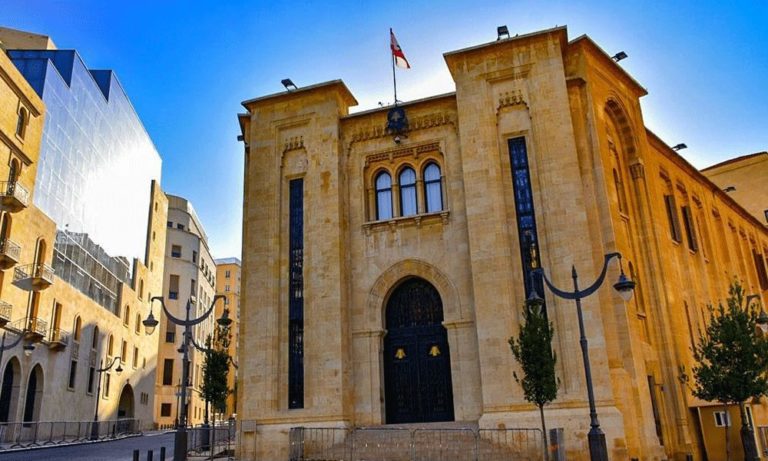
عون يهنئ الحكومة على نيلها الثقة وينوّه بالمواقف الوطنية الجامعة للنواب

هنأ رئيس الجمهوريّة العماد جوزاف عون الحكومة، رئيسًا وأعضاءً، على نيلها ثقة مجلس النواب، كما أعرب عن شكره للمجلس النيابي، رئيسًا وأعضاءً، على قيامهم بهذا الواجب الدستوري.

وثمّن الرئيس عون: “ثقة النواب الذين منحوها، وأقدّر موقف الذين لم يمنحوها، إذ إن المعارضة في نظامنا الديمقراطي البرلماني تُعد حقًا وواجبًا وضرورةً ومسؤوليةً”.

ونوّه الرئيس عون “بالمواقف الوطنية الجامعة لجهة الانفتاح على مبدأ الحوار كما على التسليم بسقف الدولة اللبنانية في القضايا الوطنية الكبرى، والتي ظهرت في سلسلة مواقف بارزة في الأيام الماضية ممّا يشكل أساساً يُبنى عليه في ورشة الإنقاذ الوطني”.

error: Content is protected !!